This is the first of a two-part article series on the author’s experience with ageing (yes, it’s a bitch).
Alarm bells rang when my uterine lining shed itself for most days between November 2022-March 2023. I experienced having my period almost daily – I couldn’t get my annual pap smear done because of it. My doctor finally referred me to a gynecologist, who found precancerous cells after doing a biopsy. Getting poked in the nether region by an outsized Q-tip was not fun to have that done, 12/10 would NOT recommend (except when necessary, of course). Think of a Covid nostril swab, except down there.
Although it was almost certain that I would undergo surgery, it was postponed when, in the interim, I was diagnosed with Supraventricular Tachycardia (SVT) at the ER of the local hospital. After almost a decade of experiencing sudden increased heart rates at inexplicable times, such as when I was at rest, there was finally a name for another condition I had. My gynecologist wanted me to have it addressed with an ablation first, and a cardiac electrophysiologist performed an outpatient procedure at the same hospital in August 2023. He burned away an extra ventricle in my heart, and I was sent home a couple of hours later. Although this sounds shocking to anyone used to medical care in Manila, that doctor actually co-authored a paper on how going home was no different from extending at the hospital if one has someone carefully watching out for them afterwards.
I finally had the hysterectomy with salpingo-oophorectomy surgery in April 2024. It meant instant menopause because everything reproductive that was in my gut got removed: uterus, fallopian tubes, and ovaries. Keeping an ovary was optional – the other one had a cyst and was also advised to be removed. But because of the possibility of cancer and having had a laparotomy with myomectomy (where a huge pedunculated uterine fibroid was already removed almost a decade ago), I was alright with taking everything out. Anyway, I wasn’t holding out for offspring – my husband likes to say that he’s our only child.
I’m not sure how it’ll affect other individuals, but for me it resulted in difficulty sleeping, much less sleep, and also many associated menopausal symptoms like frozen shoulder (my rheumatologist aptly referred to it as 50 year old shoulder), hot flashes, and back pains. Perhaps these were exacerbated by my lack of personal fitness, but at this point, good health didn’t just take a back seat, it left the vehicle completely. There was such an abrupt cessation of relative wellness in my quality of life.
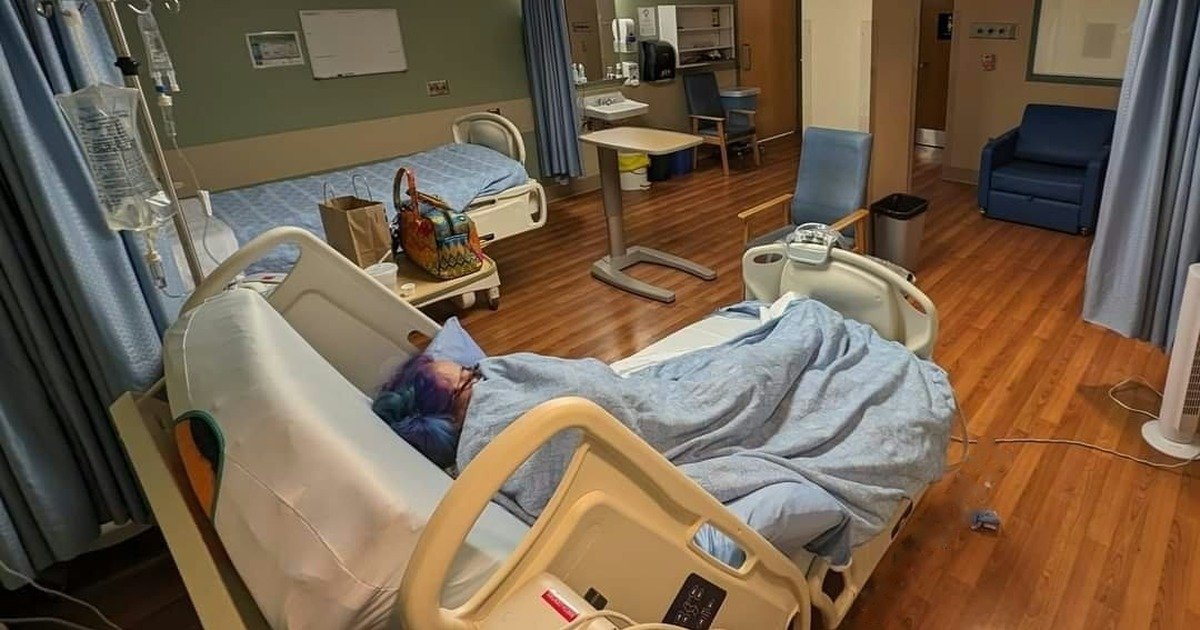
In Canada, where I had the operation, my hospital stay was only for overnight. Were I in Manila, I think the stay would’ve been at least three days longer. Additionally, it seems to be common practice in the past decade for patients in North America to be wearing intermittent pneumatic compression (IPC) devices, to help prevent blood clots in the deep veins of the legs. According to Johns Hopkins Medicine, these devices use cuffs around the legs that fill with air and squeeze your legs. They felt like thick socks and were actually comfortable. My first meal when I woke up was chicken adobo with green beans and rice. Filipinos are the third largest number of immigrants to Canada, and many work in the health care system, so this wasn’t too shocking. Still, I was pleasantly astonished at the unexpected addition to hospital fare.
Another surprise was the lack of painkillers. The doctor only had me take 1 Advil and 1 Tylenol at the permitted intervals for the post-surgery pain! Even if I had anaesthesia for the operation, then strong pain medications directly administered at the hospital afterwards, they tend not to prescribe opiates here because of issues with painkiller addiction. So you can imagine how torturous the car ride back home was; each bump felt like my internal organs were being rearranged (which was probably literally true).
After the operation, I had to be assisted by my husband in showering, and I had to wear sanitary pads for a couple of days because of bleeding. Recovery time was projected to be around six weeks. I spent the time in bed knitting a scarf for a lovely colleague who delivered trays of spaghetti, garlic bread, and a Greek salad she made – plus flowers(!) – for me whilst I was recovering. I stopped taking painkillers after the first week, but I have pretty good pain tolerance and didn’t want the side effects to aggravate my already burdened kidneys and their stones.
Although I’ve not experienced the joys of parenthood myself, I’ve undergone the experience of being checked for fertility issues and the possibilities of having treatment in case that was the reason we haven’t had any children (that’s a different story). Because menarche occurred before I actually reached my teenage years, I was already expecting to experience menopause early but wasn’t expecting to have it induced artificially by the hysterectomy.
I know having this surgery is a big milestone for any woman. It turned out to be the despedida party for my sanity. Had I known in advance how it would affect me, I don’t know that I would have decided differently. After all, it wasn’t really a choice – it was either that or a high risk of cancer – so it was simply a matter of picking the lesser of two evils.
Stay tuned for the second part of this series, coming soon.